
Introduction
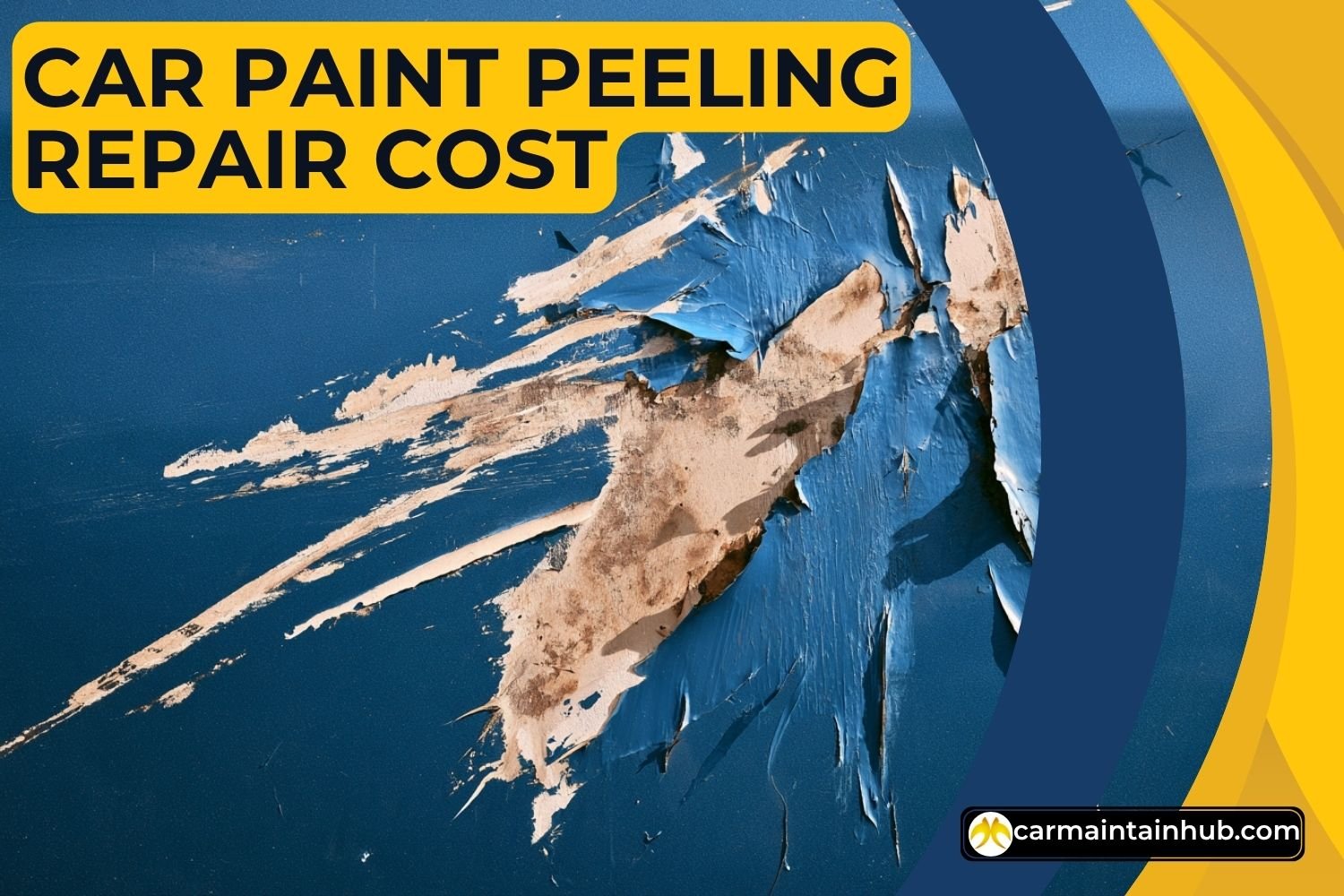
Understanding the car paint peeling repair cost is essential when clear coat delamination and paint flaking spread across hoods, roofs, and trunk lids across the United States. Navigating exterior finish restoration pricing factors, such as accounting for localized spot repairs ranging from $150 to $400, single-panel resprays spanning $300 to $900, or professional full-body paint jobs costing $1,500 to $5,000+, ensures you protect your household finances from expensive body shop bills. Whether you are reviewing HVLP spray gun techniques, analyzing professional paint booth standards, or following structured feather-edge sanding roadmaps, understanding expert body shop workflows allows you to execute an informed financial strategy that keeps your automobile looking pristine past 200,000 miles while preserving its market resale value.
Symptoms and Paint Peeling Repair Classifications
Classifying car paint peeling severity helps determine expected repair procedures, labor hours, and U.S. pricing tiers:
| Paint Peeling Severity Level | Required Shop Repair Procedure | Average Total Cost Range |
| Localized Clear Coat Edge Peeling | Sanding small peeling perimeter, feather-edging clear coat boundary, and blending fresh clear coat | $150 – $400 |
| Single-Panel Delamination (Hood / Roof) | Stripping peeling clear coat down to bare substrate, priming, spraying base coat, and clear coat in booth | $300 – $900 |
| Multi-Panel Peeling (Hood, Roof & Trunk) | Sanding multiple horizontal sun-exposed body panels, priming, base coat, and clear coat respray | $1,000 – $2,500 |
| Full-Body Clear Coat Failure & Peeling | Stripping trim, sanding entire vehicle exterior to bare metal, priming, and full booth respray | $1,500 – $5,000+ |
Safety Assessment: Risk Level: Surface Clear Coat Peeling vs. Exposed Metal and Rust. Before authorizing car paint peeling repair work, evaluate why addressing flaking clear coat before bare metal rusts protects your car.
Required Services & Estimated U.S. Repair Costs
Comparing average U.S. car paint peeling repair costs highlights financial expectations across service tiers:
| Peeling Repair Service Tier | Average Materials Cost | Average Total Shop Cost |
| DIY Edge Sealing Kit | $20 – $40 | $20 – $45 (DIY) |
| Localized Clear Coat Spot Repair | $50 – $120 | $150 – $400 |
| Single-Panel Respray (Hood / Roof) | $150 – $350 | $300 – $900 |
| Full-Body Car Respray | $600 – $2,000 | $1,500 – $5,000+ |
Financial Planning and Monthly Budgeting for Paint Protection
Effective household budgeting in the United States requires accounting for everyday vehicle ownership expenses alongside unexpected clear coat delamination and paint resprays. On average, maintaining a dedicated automotive cosmetic repair fund requires setting aside $15 to $35 per month, translating to roughly $180 to $420 annually. Because UV solar radiation breaks down factory protective resins progressively over years of outdoor exposure rather than arriving in equal monthly installments, establishing a dedicated car care savings fund is essential to preventing financial strain and avoiding high-interest credit card debt.
1. Recommended Set-Aside Benchmarks Across Repair Tiers
Allocating funds for automotive paint upkeep is not a one-size-fits-all strategy. DIY edge sealing kits require modest monthly set-aside amounts, whereas localized clear coat spot repairs and single-panel hood or roof resprays demand higher monthly reserves to cover specialized collision shop artisan labor hours.
DIY Edge Sealing Kits: Retail sandpaper and aerosol clear coat supplies require $3 to $8 per month.
Localized Spot Repairs: Minor perimeter feather-edging requires $12 to $35 per month.
Single-Panel Resprays: Hood or roof booth painting requires $30 to $75+ per month.
2. Master Amortized Service Target Matrix
Review typical cost ranges and monthly set-aside targets for car paint peeling repair services and restoration supplies:
| Peeling Repair Scope | Typical Cost Range | Monthly Set-Aside Target |
| DIY Edge Sealing Kit | $20 – $45 total | $2 – $5 / month |
| Localized Clear Coat Spot Repair | $150 – $400 total | $12 – $35 / month |
| Single-Panel Respray (Hood / Roof) | $300 – $900 total | $25 – $75 / month |
| Total Recommended Monthly Reserve | — | $15 – $35 / month |
Step-by-Step Guide: Professional Peeling Paint Repair Process
Understanding how professional body shops fix peeling clear coat helps you evaluate repair estimates:
Step 1: Stripping Delaminated Layers: Technicians sand down the entire damaged panel or peel the perimeter past the delamination zone until solid, adhering paint is reached.
Step 2: Feather-Edging and Priming: Edges are feather-sanded smooth so no tactile step exists, followed by spraying a corrosion-resistant primer over exposed base coat or metal.
Step 3: Base Coat and Clear Coat Respray: The vehicle enters a spray booth where color base coat is applied (if needed) and sealed with multiple layers of high-gloss clear coat.
Step 4: Curing and Polishing: Infrared lamps cure the paint quickly, after which technicians wet-sand and polish the panel to a flawless mirror reflection.
Common Mistakes to Avoid
Spraying Clear Coat Over Active Peeling: Applying fresh clear coat directly over flaking edges without sanding them out, causing the new layer to lift instantly.
Using Cheap Aerosol Clear Coats: Using low-grade hardware store clear coat spray cans that lack UV inhibitors and yellow or peel within months.
Ignoring Horizontal Panel Vulnerability: Failing to protect hoods and roofs with ceramic coatings or wax after repair, allowing the sun to cause recurring delamination.
Cost Comparison: Extent of Delamination & Stripping Labor
Several key material and labor variables determine the final price quoted on a professional car paint peeling repair service:
| Cost Factor | Impact on Peeling Repair Expense | Price Variation Details |
| Extent of Delamination & Stripping Labor | Widespread peeling across roofs and hoods requires tedious manual stripping of all dead clear coat before priming | $75 to $125 per labor hour |
| Paint Quality Grade (Economy vs. OEM Factory) | Economy urethane paints cost less but degrade faster, whereas high-grade factory-matched paints cost more but last 10+ years | +$300 to +$1,000 for premium paint |
| Factory Paint Complexity (Pearl / Tri-Coat) | Multi-stage pearl, metallic, or matte factory finishes require specialized tint matching and blending techniques | +$200 to +$600 specialty paint fee |
| Trim Removal & Reassembly | Disassembling windshield seals, roof moldings, and hood scoops adds labor time for clean panel resprays | +$150 to +$400 disassembly labor |
Estimated Repair Time:
DIY Edge Sealing: 1 to 2 hours.
Localized Clear Coat Spot Repair: 1 to 2 days.
Single-Panel Respray (Hood / Roof): 2 to 3 business days.
Full-Body Car Respray: 5 to 10 business days.
Regional U.S. Climate Considerations
Regional U.S. climate conditions heavily influence clear coat delamination rates and repair intervals.
High-UV Southern & Desert Climates: Vehicles parked outdoors in scorching southern states (like Florida, Arizona, or Texas) suffer intense UV solar degradation, causing clear coats to dry out and peel years faster than in northern states.
Garage Parking vs. Outdoor Exposure: Garaged vehicles experience minimal UV clear coat failure over their lifespans, whereas daily outdoor parking requires proactive waxing and ceramic protection.
Preventative Maintenance Schedule
Maintaining your car’s clear coat prevents premature delamination and keeps paint looking glossy:
| Maintenance Task | Recommended Interval | Purpose |
| Gentle Hand Wash | Every 2 Weeks | Removes damaging dust and pollen without scratching clear coat |
| Synthetic Wax / UV Sealant | Every 3 Months | Provides a sacrificial UV barrier against solar radiation |
| Ceramic Coating Application | Once Every 2 to 3 Years | Offers superior chemical and UV resistance to stop clear coat peeling |
| Shaded Parking / Car Cover | Daily | Eliminates direct UV exposure during peak daylight hours |
Frequently Asked Questions (FAQs)
1. What is the average car paint peeling repair cost?
Localized clear coat spot repairs cost $150 to $400, single-panel resprays range from $300 to $900, and full-body vehicle resprays range from $1,500 to $5,000+ depending on vehicle size and prep work.
2. What causes car paint and clear coat to peel?
Paint peels primarily due to prolonged UV solar radiation breaking down factory resins, poor surface prep during previous paint jobs, or manufacturing defects.
3. Can you paint over peeling clear coat without stripping it?
No. Applying fresh paint or clear coat over flaking edges will cause the new layer to instantly lift and peel along with the old coat.
4. Does car insurance cover peeling paint repair?
Standard comprehensive and collision insurance policies do not cover normal cosmetic paint peeling or weathering, as it is classified as routine wear-and-tear.
5. How long does a single-panel clear coat respray take?
A professional single-panel respray (like a hood or roof) typically takes 2 to 3 business days to allow proper sanding, priming, painting, and infrared curing.
6. What happens if you don’t fix peeling car paint?
Unrepaired peeling clear coat leaves the colored base paint unprotected against UV rays, leading to base coat erosion, exposed sheet metal, and severe panel rust.
7. Do auto body shops offer warranties on paint resprays?
Yes. Reputable U.S. auto body shops provide written lifetime workmanship warranties covering paint peeling, bubbling, and clear coat failure for as long as you own the vehicle.
8. When do you pay for car paint peeling repair services?
In standard practice across U.S. auto body shops, you review the estimate beforehand and pay your final balance after the paint repairs are fully completed and inspected.
Final Takeaway
Knowing the ins and outs of car paint peeling repair costs ensures you address clear coat delamination before it spreads and causes sheet metal rust. By sanding out peeling edges early, choosing professional panel resprays, and applying UV ceramic protection, you restore your car’s exterior finish and protect its resale value.






