Introduction
Understanding what is PDR car repair is essential when a rogue shopping cart dings your door or a severe hailstorm peppers your roof with dimples, allowing you to preserve your vehicle’s factory finish without expensive sanding, body filler, or repainting across the United States. Navigating advanced automotive restoration choices, such as comparing specialized paintless dent removal techniques against traditional body shop repairs, ensures you protect your household finances from inflated shop bills during ownership. Whether you are reviewing LED reflection board evaluation steps, analyzing stainless steel push rod and glue pulling requirements, or following structured itemized quote roadmaps, understanding expert dent removal workflows allows you to execute an informed financial strategy that keeps your automobile looking pristine past 200,000 miles while preserving its market resale value.
Symptoms and PDR Repair Tier Classifications
Classifying common dent types and repair scenarios helps determine whether PDR is appropriate and what pricing tiers to expect:
1. Small Door Ding / Shallow Crease: Accessing the backside of the panel with stainless steel rods to massage metal flat; glue pulling for restricted areas.
2. Moderate Parking Lot Dent / Impact: Detailed LED board reflection alignment and methodical pressure application across stretched metal.
3. Extensive Hail Storm Damage Overhaul: Comprehensive roof, hood, and pillar massaged dent removal (covered under comprehensive auto insurance).
4. Severe Creased / Torn Metal Damage: PDR is unsuitable; requires traditional body shop panel replacement, filler, and repainting.
Safety Assessment Risk Level: Car Dent Repair and Paintless Dent Removal (PDR) Monitor to Urgent Repair
Monitor to Urgent Repair. Before scheduling dent repair, evaluate why choosing PDR preserves vehicle structural integrity and factory coatings. PDR is only possible if the factory paint is unbroken; if paint is cracked or metal is torn past its elasticity threshold, traditional body filler and repainting are mandatory. Evaluating how quickly you need to address dent damage depends on severity levels: leaving minor cosmetic door dings alone if paint is not chipped presents low risk and is ideal for monitoring, whereas taking your car to a certified PDR specialist is ideal for service soon, but filing comprehensive insurance claims for major hail damage demands urgent professional restoration immediately.
Financial Planning and Monthly Budgeting for Auto Body Maintenance
Effective household budgeting in the United States requires accounting for everyday vehicle ownership expenses alongside unexpected parking lot dings, hailstorms, and professional PDR services. On average, maintaining a dedicated automotive emergency fund requires setting aside $15 to $40 per month, translating to roughly $180 to $480 annually. Because random door dings and severe weather events happen unpredictably rather than arriving in equal monthly installments, establishing a dedicated car care savings fund is essential to preventing financial strain and avoiding high-interest credit card debt.
1. Recommended Set-Aside Benchmarks Across Repair Tiers
Allocating funds for unexpected dent repairs is not a one-size-fits-all strategy. Minor single door dings require modest monthly set-aside amounts, whereas moderate parking lot impacts and extensive hail storm overhauls demand higher monthly reserves to cover specialized labor hours.
Minor Door Dings: Single shallow crease repairs require $3 to $8 per month.
Moderate Impacts: Parking lot dent restorations require $8 to $20 per month.
Hail Storm Overhauls: Comprehensive catastrophe repairs require $50 to $120+ per month.
2. Master Amortized Service Target Matrix
Review typical cost ranges and monthly set-aside targets for what is PDR car repair services and professional shop tiers:
| Dent Type & Repair Scenario | Average Cost Range | Monthly Set-Aside Target |
| Small Door Ding / Shallow Crease | $75 – $150 per dent | $3 – $6 / month |
| Moderate Parking Lot Dent / Impact | $150 – $350 | $6 – $14 / month |
| Extensive Hail Storm Damage Overhaul | $1,500 – $4,500+ | $60 – $180 / month |
| Total Recommended Monthly Reserve | — | $15 – $40 / month |
Common Factors That Influence PDR Repair Costs
Several key physical and logistical variables determine the final price quoted on a professional paintless dent removal estimate:
Dent Location & Accessibility: Dents located behind double-walled panels, structural braces, or airbags require specialized glue-pulling tools, adding labor time compared to open door skins.
Dent Size and Depth Severity: Deep dents stretch automobile sheet metal beyond its natural memory, requiring advanced tapping and shrinking techniques.
Aluminum vs. Traditional Steel Panels: Luxury and modern vehicles featuring lightweight aluminum body panels require specialized PDR skill and tooling.
Comprehensive Insurance Coverage: Comprehensive auto insurance policies cover hail damage PDR claims, minus your standard deductible.
Required Shop Equipment and Best Practices
Professional PDR technicians invest in specialized optical and mechanical tools to execute flawless dent removal:
| Shop Equipment / Tool | Primary Function | Application Context |
| LED Reflection Boards & Lines | Projecting parallel lines onto the car body panel to reveal optical distortions and guide technicians on exact pressure points. | Visual Assessment |
| Stainless Steel PDR Rods & Tips | Using specialized bent rods inserted through window openings or access plugs to massage metal from the backside. | Metal Massaging |
| Glue Pulling Systems | Gluing plastic tabs onto the exterior of dents and pulling them out with slide hammers when backside access is blocked. | Restricted Access Dents |
| Plastic Knockdown Tools | Tapping down high spots and crown tensions around the perimeter of a dent during massaged correction. | Precision Finishing |
Step-by-Step Guide: How to Perform Paintless Dent Removal
Follow these structured steps to understand how professional PDR technicians restore damaged car panels:
Step 1: Evaluation and Lighting Setup: Technicians clean the panel and position an LED reflection board to analyze the depth, crown, and stress points of the dent.
Step 2: Accessing the Backside of the Panel: Removing trim pieces, inner door panels, or weatherstripping to slide specialized stainless steel push rods behind the dent.
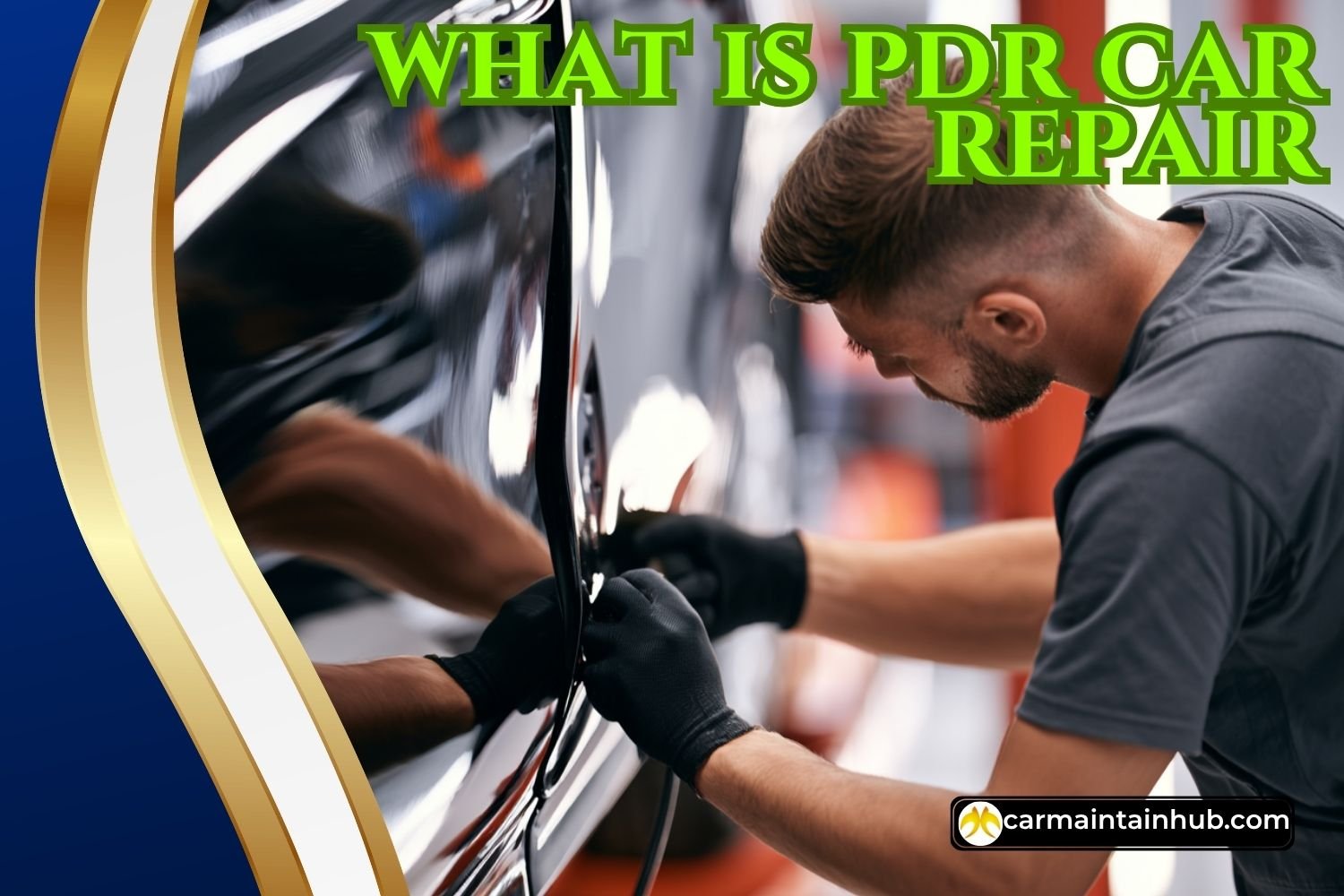
Step 3: Precision Pushing and Massaging: Applying incremental, highly accurate pressure from behind while tapping down high spots with plastic knockdown tools until the metal snaps back.
Step 4: Final Polish and Quality Check: Checking panel reflections with the LED board to ensure zero distortion, followed by polishing the area to restore showroom shine.
Step 5: Customer Delivery and Warranty Sign-Off: Inspecting the restored finish with the vehicle owner and issuing written service guarantees before final checkout.
Common Mistakes to Avoid
| Common Mistake | Consequence | How to Avoid It |
| Attempting DIY PDR Without Training | Pushing blindly from behind results in high spots that stretch and ruin the metal permanently. | Leave paintless dent removal to trained professionals with specialized PDR tools. |
| Using Suction Cups on Creased Dents | Damages the paint and fails to address metal tension on sharp creases. | Utilize proper leverage and massaging pushing techniques tailored to the dent type. |
| Ignoring Paint Chips and Rust | Leaving exposed bare metal unattended leads to hidden rust underneath. | Touch up any chipped paint areas promptly with factory-matched touch-up paint. |
Regional U.S. Weather Patterns and Considerations
Regional U.S. weather patterns heavily influence the demand for PDR services:
Hail Alley and Severe Weather States: States across the central U.S. (such as Texas, Oklahoma, Colorado, and Kansas) experience severe spring hailstorms, creating massive seasonal demand for mobile PDR catastrophe teams.
Preserving Vehicle Factory Finish in Sunny Climates: In high-sun regions like the Southwest, avoiding traditional body shop repainting prevents paint mismatch and fading over time.
Preventative Maintenance Schedule
Protect your vehicle against unexpected cosmetic blemishes and maintain body panel integrity by following this routine plan:
| Maintenance Task | Recommended Interval | Purpose |
| Exterior Paint & Body Inspection | Monthly | Early detection of door dings, stone chips, and minor parking lot scuffs. |
| Automotive Wax Application | Every 3 Months | Protects factory clear coat and paint layers against environmental fallout and UV rays. |
| Severe Weather Audit | Seasonally (Spring / Summer) | Verifies comprehensive insurance coverage limits for hail and storm damage protection. |
Frequently Asked Questions (FAQs)
1. What is PDR car repair?
PDR (Paintless Dent Repair) is a specialized technique where trained technicians massage and push dented automotive metal back into its original factory shape from behind the panel without repainting.
2. Can all car dents be fixed with PDR?
No. PDR works best when the paint is unbroken, and the metal is not stretched or torn; sharp creases or damage on panel edges often require traditional body shop repair.
3. Does PDR damage factory paint?
No. Because PDR does not involve sanding, body filler, or repainting, it preserves your vehicle’s original factory finish and resale value.
4. How much does PDR car repair cost?
Single door dings cost $75 to $150, moderate dents range from $150 to $350, and extensive hail damage overhauls range from $1,500 to $4,500+.
5. How long does paintless dent removal take?
Most single dings take 30 to 60 minutes to repair, while major parking lot dents take 1 to 2 hours and severe hail damage takes 1 to 3 days.
6. Does car insurance cover hail damage PDR?
Yes. Comprehensive auto insurance covers hail damage repairs and PDR services, minus your policy deductible.
7. Can I do PDR dent removal myself at home?
While DIY kits exist, PDR requires years of professional training and specialized tools; attempting it yourself often results in high spots that stretch and permanently ruin the metal.
8. When do you pay for PDR car repair services?
In standard practice across U.S. auto shops, you review and approve the written estimate beforehand and pay your final balance after work is fully completed, right before vehicle pickup.
Final Takeaway
Mastering what is pdr car repair is reveals why this innovative method has become the preferred choice for fixing parking lot dings, minor creases, and storm damage without the need for traditional body filler or costly repainting. By preserving your car’s factory paint and structural integrity, PDR saves you significant time and money compared to conventional collision repair. Ultimately, utilizing paintless dent repair keeps your vehicle looking pristine, maintains its original finish, and protects its long-term resale value with minimal downtime.