
Introduction
Understanding the average cost of scratch repair on car models is essential for preparing financially, whether you opt for a quick DIY touch-up pen, professional compounding, or a complete body shop panel repaint across the United States. Navigating paint damage solutions, such as assessing scratch depth, clear coat integrity, and panel location, ensures you protect your household budget from unexpected body shop labor markups during daily transit. Whether you are reviewing national pricing benchmarks, evaluating professional buffing techniques, or establishing a vehicle detailing fund, understanding structured paint restoration workflows allows you to execute an informed financial strategy that keeps your automobile looking pristine while preserving its long-term market resale value.
Symptoms and Severity Classifications of Paint Scratches
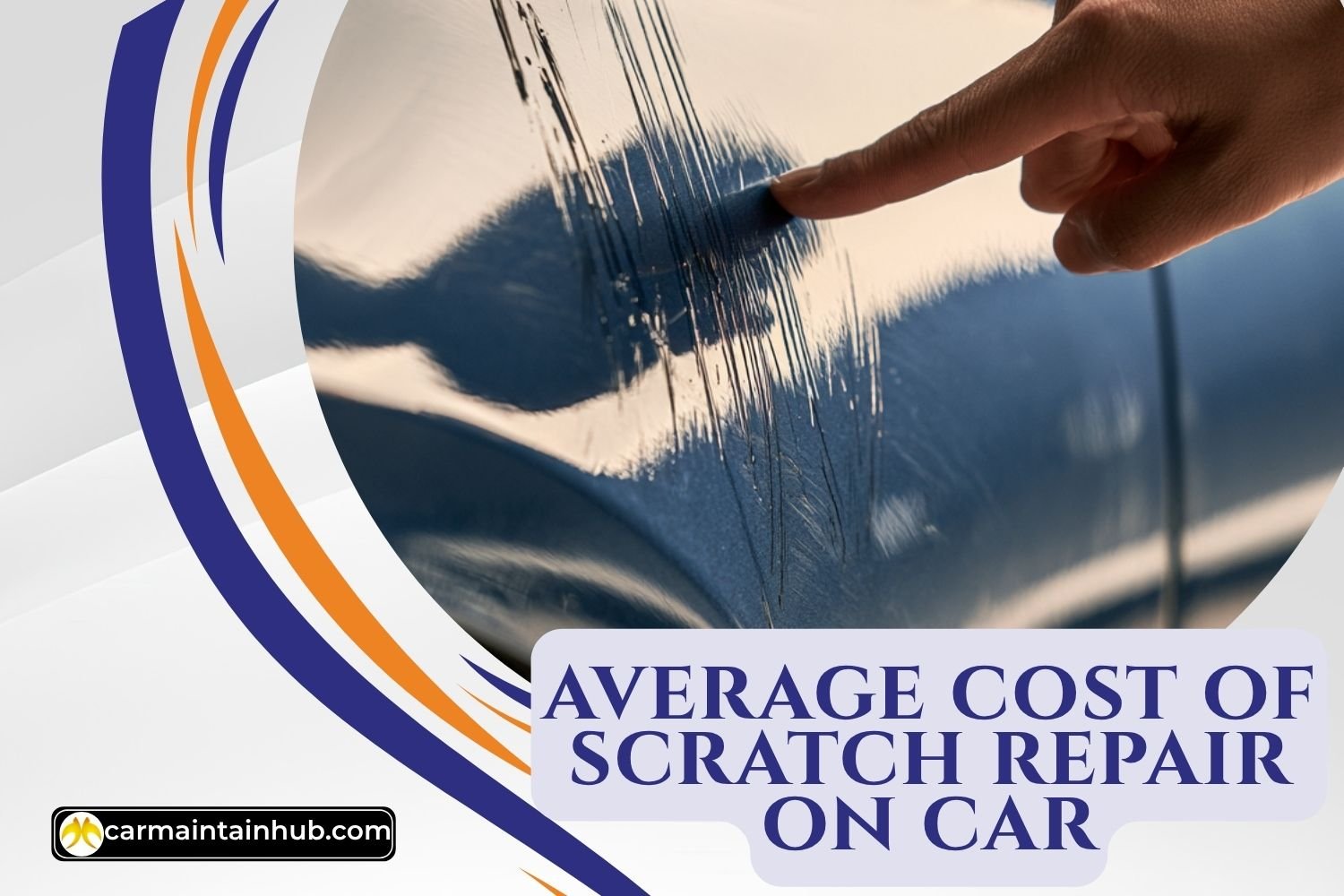
Catching paint damage early prevents minor surface blemishes from developing rust corrosion or flaking clear coat. Watch for these primary scratch classifications:
Clear Coat Scratches: Superficial blemishes affecting only the transparent top protective layer, invisible when wet and easily buffed out.
Primer-Deep Scratches: Moderate lines penetrating through the clear coat into the colored base layer, appearing white or grey and requiring touch-up paint.
Bare Metal / Deep Gouges: Severe scratches cutting all the way down to the steel or aluminum body panel, exposing bare metal to immediate rust risks.
Keyed Vandalism Scratches: Long, continuous intentional lines running across multiple door and fender panels, requiring extensive body shop blending.
Plastic Bumper Scuffs: Surface scrapes on plastic bumper fascias where metal corrosion is absent but repainting is necessary.
Risk Level: Service Soon. While minor clear coat scuffs do not affect vehicle mechanical performance, leaving bare metal exposed invites rapid rust oxidation and reduces your car’s resale value.
Safety Assessment and Paint Protection Standards
When evaluating your vehicle’s paint damage and preparing your repair budget, classify your situation using this practical scale:
Monitor: Very light surface scuffs visible only under direct sunlight with zero white base coat or bare metal showing.
Service Soon: Primer-deep scratches or isolated door scrapes showing zero rust; schedule a professional touch-up or compounding.
Urgent Repair: Long deep gouges showing bare steel or active rust spots developing along scratch lines.
Collision Body Shop Required: Massive vandalism keying across multiple panels or structural body damage requiring professional panel repainting.
Why it matters: Operating a vehicle with exposed bare metal in harsh U.S. weather conditions accelerates panel corrosion. Prioritizing proper scratch sealing ensures structural integrity and preserves resale value.
Common Causes Driving Up Car Scratch Repair Expenses
Understanding what causes paint damage helps explain where scratch repair costs originate. Frequent culprits include:
1. Parking Lot Brushes & Bushes: Overgrown landscaping rubbing against vehicle side panels during tight turns.
2. Intentional Vandalism (Keying): Sharp objects dragged across multiple body panels, requiring extensive sanding and blending.
3. Road Debris & Flying Gravel: Highway rocks kicked up by passing trucks, striking hoods and rocker panels.
4. Improper Washing Techniques: Using abrasive wash mitts or dirty microfiber towels that create swirl marks and fine clear coat scratching.
Required DIY Tools & Maintenance Equipment
If you are an experienced DIYer planning to tackle minor surface scratches using home polishing or touch-up kits, having the proper equipment is essential.
| Tool / Equipment | Purpose | Estimated U.S. Price |
| Automotive Rubbing & Polishing Compound | Removes fine clear coat scratches and oxidation. | $15 – $30 |
| Dual-Action Polishing Machine | Buffs compound evenly across clear coat surfaces. | $60 – $150 |
| OEM Touch-Up Paint & Clear Coat Pen | Fills primer-deep scratches and seals bare metal. | $15 – $35 |
| Microfiber Buffing Towels | Wipes away polish residue without scratching paint. | $10 – $25 |
| Wet Sanding Paper Assortment (2000–3000 Grit) | Smooths touch-up paint blobs prior to compounding. | $10 – $20 |
Financial Planning and Monthly Budgeting for Paint Care
Effective household budgeting in the United States requires accounting for everyday vehicle ownership expenses alongside unexpected cosmetic paint damage and scratch repairs. On average, maintaining a dedicated cosmetic repair fund requires setting aside $15 to $30 per month, translating to roughly $180 to $360 annually. Because parking lot scuffs, stray shopping cart bumps, and vandalism scratches happen unpredictably rather than in equal monthly installments, establishing a dedicated car care savings fund is essential to preventing financial strain and avoiding high-interest credit card debt.
1. Recommended Set-Aside Benchmarks Across Repair Tiers
Allocating funds for automotive paint maintenance is not a one-size-fits-all strategy. Basic DIY touch-up kits require modest monthly set-aside amounts, whereas professional detailing buffing and complete body shop panel repainting demand higher monthly reserves to cover specialized materials and labor hours.
DIY Touch-Up Supplies: Rubbing compounds, microfiber towels, and OEM touch-up paint pens require $10 to $15 per month.
Professional Detailing Services: Machine polishing and clear coat buffing require $15 to $25 per month.
Professional Body Shop Repainting: Single panel and multi-panel vandalism restoration require $30 to $70+ per month.
2. Master Amortized Service Target Matrix
Review typical cost ranges and monthly set-aside targets for scratch repair supplies and professional services:
| Scratch Repair Scope | Typical Cost Range | Monthly Set-Aside Target |
| DIY Touch-Up Kit / Compound Buffing | $15 – $50 total | $3 – $7 / month |
| Professional Clear Coat Buffing / Detailing | $100 – $250 total | $8 – $20 / month |
| Single Panel Repainting (Body Shop) | $300 – $900 total | $25 – $75 / month |
| Total Recommended Monthly Reserve | — | $12 – $35 / month |
DIY Safety Equipment & Protocols
Working on vehicle paint and chemical compounds requires strict safety compliance:
Personal Protective Equipment (PPE): Always wear safety glasses and nitrile gloves to protect against chemical polishes, paints, and solvents.
Proper Ventilation: Use touch-up paints, clear coats, and aerosol sprays only in well-ventilated garages or outdoor spaces to avoid inhaling toxic VOC fumes.
Surface Coolness: Ensure vehicle body panels are cool to the touch before applying polishing compounds to prevent product baking.
Masking Surrounding Areas: Use automotive painter’s tape to protect rubber trim and adjacent undamaged paint panels during compounding.
Step-by-Step Scratch Repair Workflow
Follow this structured guideline when evaluating or executing a car scratch repair project:
1. Wash and Dry the Vehicle: Clean the scratched area thoroughly with car soap to remove dirt particles that could worsen scratching during polishing.
2. Perform the Fingernail Test: Run your fingernail gently across the scratch; if your nail catches, the scratch is deep and requires touch-up paint or body shop work.
3. Apply Rubbing Compound (Surface Scratches): Work rubbing compound into light clear coat scratches using a microfiber pad or polishing machine.
4. Touch Up Deep Gouges: For primer-deep scratches, apply OEM matching touch-up paint carefully using a fine artist brush or toothpick.
5. Wet Sand and Polish: Once dry, block-sand touch-up paint smooth with 2500-grit sandpaper, then compound and polish to a mirror finish.
6. Apply Protective Wax: Seal the restored paint surface with carnauba wax or ceramic coating to protect against future UV damage.
Common Money-Wasting Mistakes to Avoid
Using Kitchen Scouring Pads: Attempting to scrub away surface marks with abrasive household sponges, which destroys the clear coat.
Over-Sanding Clear Coat: Aggressively wet-sanding touch-up areas until you burn through the remaining thin clear coat layer.
Ignoring Deep Rust Formation: Applying touch-up paint over active brown rust without treating it with a rust converter first.
Average Cost of Scratch Repair on Car Benchmarks (U.S.)
| Scratch Type & Repair Method | Average U.S. Cost Range | Labor & Service Details |
| DIY Touch-Up Kit / Compound Buffing | $15 – $50 | Home DIY supplies for surface scratches and minor chips |
| Professional Clear Coat Buffing / Detailing | $100 – $250 | Machine polishing for extensive surface scuffs (1–2 hours) |
| Single Panel Repainting (Body Shop) | $300 – $900 | Professional sanding, priming, and painting of one full panel |
| Vandalism / Multi-Panel Keying Repair | $1,000 – $2,500+ | Extensive body shop blending across 3 or more damaged panels |
Repair Time & Professional Labor Estimates:
Estimated DIY Time: 30 minutes to 2 hours for polishing compounds and touch-up paint application.
Professional Repair Time: 1 to 3 hours for detailing shop buffing; 2 to 4 days for body shop panel repainting and clear coat curing.
Regional U.S. Climate Considerations
Severe Winter Salt & Sand: Winter road sanding in northern U.S. states throws abrasive grit against lower panels, causing pitting and paint scratches.
Intense Southern UV Rays: High sun exposure in southern states oxidizes clear coats and weakens paint protection, making surfaces more prone to scratching.
Paint & Scratch Maintenance Schedule
| Maintenance Task | Recommended Interval | Primary Benefit |
| Paint Inspection & Touch-Up Check | Every 3 Months / Oil Change | Catches new surface scratches before rust forms |
| Wax or Ceramic Sealant Application | Every 6 Months | Shields clear coat from minor abrasions and UV oxidation |
| Thorough Clay Bar & Polish Detail | Annually | Removes embedded microscopic grit and restores paint gloss |
Frequently Asked Questions (FAQs)
1. What is the average cost of scratch repair on a car in the U.S.?
The average cost of scratch repair on a car depends on the depth and severity of the damage. DIY touch-up kits typically cost $15–$50, professional polishing ranges from $100–$250, and repainting a single panel may cost $300–$900. Extensive scratch damage can cost $1,000–$2,500 or more.
2. How can I tell if a car scratch can be buffed out?
Run your fingernail gently across the scratch. If your nail does not catch in the groove, the damage may be limited to the clear coat and could be removed with professional polishing. Deeper scratches may require touch-up paint or repainting.
3. Does car insurance cover the average cost of scratch repair on a car?
Comprehensive insurance may cover vandalism-related scratches, while collision coverage may apply to damage caused by an accident. Coverage depends on your policy, deductible, and circumstances. Compare the repair estimate with your deductible before filing a claim.
4. Can toothpaste remove scratches from car paint?
Toothpaste contains mild abrasives that may temporarily reduce the appearance of very light surface marks. However, it is not designed for automotive paint and may cause additional damage if used improperly. Automotive polishing products are generally a more suitable option.
5. What happens if I leave a deep car scratch unrepaired?
Deep scratches that expose bare metal can lead to rust and corrosion, potentially spreading beneath the surrounding paint. Repairing the damage promptly can help prevent more extensive and expensive bodywork.
6. How long does professional car scratch repair take?
Light polishing may take one to two hours, while repainting a damaged panel can require two to four business days or longer. The actual timeframe depends on the damage, paint-matching requirements, and curing process.
7. Will touch-up paint make a car scratch completely invisible?
Touch-up paint can protect exposed surfaces and improve the appearance of deeper scratches. However, differences in color, texture, and finish may remain visible. Professional color matching and paint blending can produce a more seamless result.
8. What factors affect the average cost of scratch repair on a car?
The average cost of scratch repair on a car depends on scratch depth, damage location, vehicle paint type, labor rates, and whether polishing, touch-up paint, or panel repainting is needed. Getting multiple estimates can help you compare repair options and choose an appropriate solution.
Final Takeaway
Mastering the details of the average cost of scratch repair on car models ensures your vehicle maintains its aesthetic appeal and structural protection across all U.S. driving conditions, so whether opting for low-cost DIY polishing compounds for light clear coat scuffs or professional body shop repainting for deep vandalism gouges, addressing paint damage promptly preserves your car’s resale value and keeps your maintenance budget firmly under control.






