
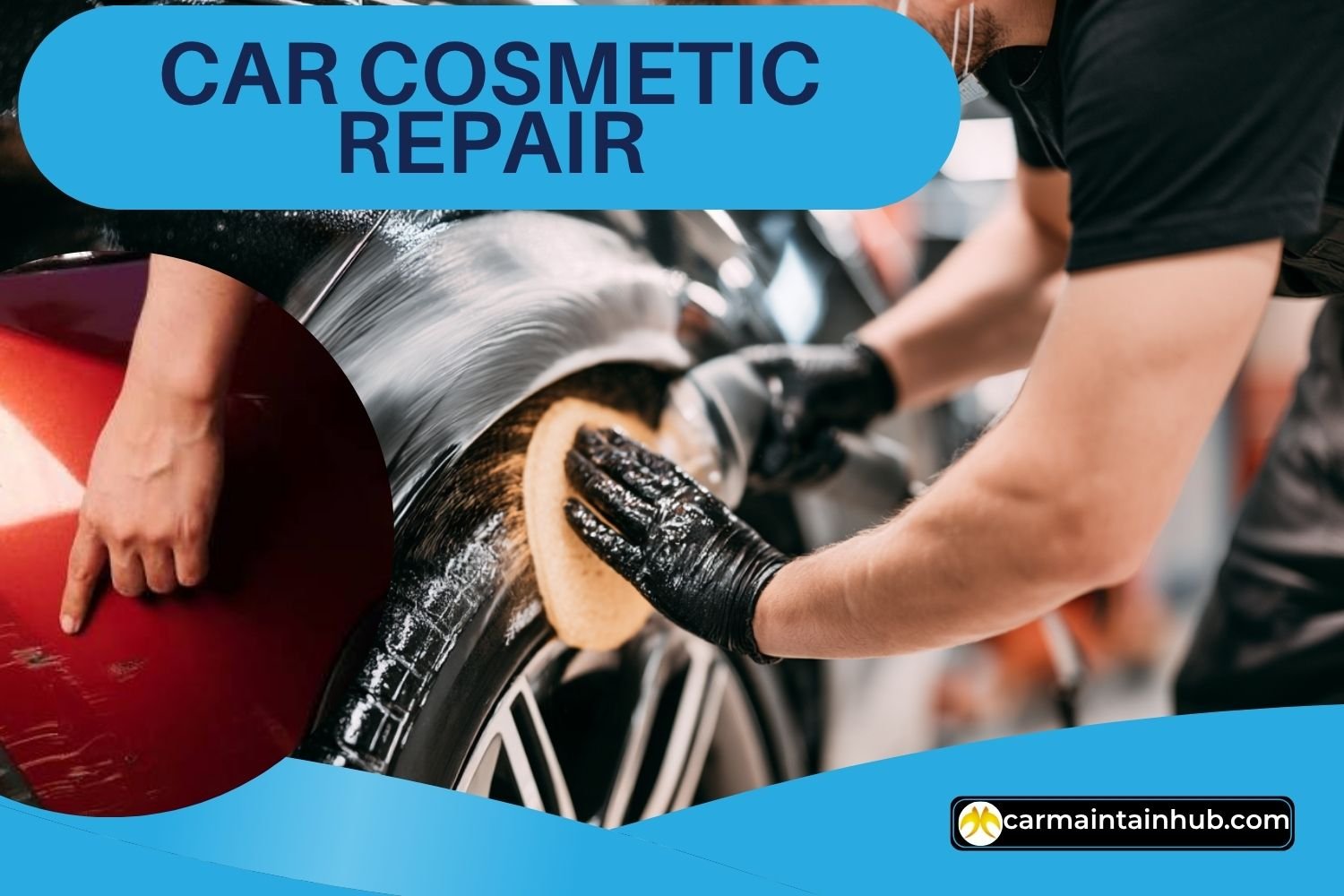
Introduction
Exploring car cosmetic repair choices is essential for restoring exterior and interior aesthetics quickly and affordably when parking lot dings, bumper scuffs, and paint scratches detract from a vehicle’s appearance across the United States. Navigating specialized restoration services, such as accounting for minor scratch blending and paintless dent removal ranging from $100 to $350 or multi-panel wheel repairs spanning $400 to $900+, ensures you protect your household finances from expensive traditional body shop bills. Whether you are reviewing mobile smart repair technician standards, analyzing digital spectrophotometer color matching, or following structured aesthetic restoration roadmaps, understanding expert cosmetic workflows allows you to execute an informed financial strategy that keeps your automobile looking pristine past 200,000 miles while preserving its market resale value.
Common Types of Vehicle Cosmetic Damage
Identifying the specific nature of aesthetic damage helps determine whether a mobile smart repair technician or a full body shop is required:
Paint Scratches & Clear Coat Scuffs: Surface abrasions from branches or keys that do not expose bare metal.
Parking Lot Dings & Dents: Minor door bumps and shallow creases correctable via paintless dent repair (PDR).
Bumper Scuffs & Plastic Scraping: Corner scrapes on thermoplastic fascias from tight garage parking.
Alloy Wheel Curb Rash: Scraped and gouged outer rims caused by rubbing against concrete curbs.
Risk Level: Lease Return & Resale Valuation Hazard. Unrepaired cosmetic blemishes lead to hefty financial penalties upon vehicle lease return inspections across the U.S..
Required Services & Estimated U.S. Repair Costs
Cosmetic repair pricing varies based on damage severity, number of affected panels, and whether you choose a mobile service or a dedicated shop. Below is a U.S. average cost breakdown.
| Cosmetic Repair Service | Primary Scope & Procedure | Estimated U.S. Cost Range |
| Paintless Dent Repair (PDR) | Massaging dings out from behind panels without disturbing factory paint. | $100 – $250 per panel |
| Scratch Buffing & Touch-Up Blending | Polishing clear coat scratches and applying precision color-matched touch-up paint. | $150 – $350 |
| Bumper Scuff & Smart Repair | Sanding, priming, and spot-painting damaged bumper corners on-site. | $200 – $450 |
| Alloy Wheel Curb Rash Restoration | Machining, sanding, painting, and clear-coating damaged wheel rims. | $150 – $300 per wheel |
Financial Planning and Monthly Budgeting for Vehicle Aesthetics
Effective household budgeting in the United States requires accounting for everyday vehicle ownership expenses alongside minor aesthetic upkeep and cosmetic car restorations. On average, maintaining a dedicated cosmetic repair fund requires setting aside $10 to $25 per month, translating to roughly $120 to $300 annually. Because parking lot dings, shopping cart taps, and wheel curb rash happen unpredictably rather than in equal monthly installments, establishing a dedicated car care savings fund is essential to preventing financial strain and avoiding high-interest credit card debt.
1. Recommended Set-Aside Benchmarks Across Maintenance Tiers
Allocating funds for automotive aesthetic maintenance is not a one-size-fits-all strategy. Minor paint touch-ups and DIY detailing supplies require modest monthly set-aside amounts, whereas professional smart repairs and alloy wheel restorations demand higher monthly reserves to cover specialized mobile technician labor.
Routine Detailing & Polish Supplies: Microfiber towels, compounds, and waxes require $5 to $10 per month.
Minor Smart Repairs: Paintless dent removal and scratch buffing require $10 to $20 per month.
Multi-Panel Bumper & Wheel Restorations: Professional mobile smart repairs require $20 to $40+ per month.
2. Master Amortized Service Target Matrix
Review typical cost ranges and monthly set-aside targets for cosmetic vehicle repairs and aesthetic services:
| Cosmetic Repair Scope | Typical Cost Range | Monthly Set-Aside Target |
| Paintless Dent Repair (PDR) | $100 – $250 total | $6 – $15 / month |
| Scratch Buffing & Touch-Up Blending | $150 – $350 total | $10 – $25 / month |
| Bumper Scuff & Smart Repair | $200 – $450 total | $15 – $35 / month |
| Total Recommended Monthly Reserve | — | $10 – $25 / month |
Step-by-Step Guide: Professional Cosmetic Repair Workflow
Certified cosmetic technicians follow a structured multi-step process to restore vehicle surfaces without traditional body filler:
Step 1: Surface Cleaning and Evaluation: Wash and decontaminate the damaged area to evaluate whether paint layers are broken or if damage is purely superficial.
Step 2: Dent Massage or Sanding Prep: Use specialized PDR metal rods to push dings out from behind, or sand down scratched clear coat edges for smooth blending.
Step 3: Precision Color Matching and Application: Mix factory paint codes using digital spectrophotometers and apply base/clear coats with precision airbrushes.
Step 4: Final Buffing and Ceramic Sealing: Compound, polish, and buff the repaired zone to mirror factory paint gloss, then seal with protective wax or ceramic coating.
Common Mistakes to Avoid in Car Cosmetic Repair
1. Using Cheap Over-the-Counter Touch-Up Pens
Relying on low-cost, generic touch-up pens often leads to uneven application, noticeable blobs, and a mismatched finish that stands out sharply against your vehicle’s factory clear coat. For a seamless finish during any car cosmetic repair, precision is key.
How to avoid: Invest in professional-grade micro-brushes, high-quality touch-up paint matched to your vehicle’s exact paint code, and proper blending agents to achieve a smooth, factory-like transition.
2. Neglecting Deep Scratches That Expose Bare Metal
Ignoring scratches that cut all the way through the primer to expose bare sheet metal is a major hazard. Moisture and road salt will cause corrosion to form and spread underneath the surrounding paint layer over time, leading to bubbling and costly panel replacement.
How to avoid: Treat and seal exposed metal immediately with a dedicated rust inhibitor and primer before applying color and clear coats.
3. Hiring Unverified Mobile Technicians Without Warranties
Opting for the cheapest mobile service without checking credentials or guarantees frequently results in subpar workmanship, including poor color matching, uneven spray patterns, and clear coat peeling within just a few months.
How to avoid: Always choose reputable, insured detailers and body shops that stand by their work with a solid service warranty.
4. Summary Table: Quick Reference
| Mistake | Potential Consequence | Professional Solution |
| Using Generic Touch-Up Pens | Blobby, uneven textures; mismatched finish | Use micro-brushes and color-matched paint |
| Ignoring Bare Metal Scratches | Hidden rust spread and paint bubbling | Apply rust inhibitor and seal immediately |
| Hiring Unverified Technicians | Poor color blending and peeling clear coat | Hire insured shops offering workmanship warranties |
Cost Comparison: Mobile Smart Repair vs. Traditional Body Shop
Hourly labor rates and overhead expenses differ between mobile cosmetic technicians and traditional collision shops.
| Service Provider | Labor & Convenience Model | Estimated Cosmetic Repair Range |
| Mobile Smart Repair Technician | Convenient on-site service at your home or office. | $100 – $400 |
| Independent Cosmetic Detail Studio | Dedicated brick-and-mortar detailing and touch-up shop. | $150 – $600 |
| Traditional Auto Body Shop | Full collision facility handling minor and major body work. | $400 – $1,200+ |
| Dealership Cosmetic Touch-Up Program | In-house vendor service utilizing factory finish guidelines. | $350 – $900 |
Estimated Repair Time:
Paintless Dent Removal (PDR): 1 to 2 hours.
Surface Scratch Buffing & Polishing: 1 to 2 hours.
Bumper Scuff Smart Repair: 2 to 4 hours.
Alloy Wheel Curb Rash Restoration: 2 to 3 hours per wheel.
Regional U.S. Climate Considerations in Car Cosmetic Repair
1. How U.S. Weather Patterns Impact Exterior Paint and Repairs
Extreme regional weather conditions across the United States heavily impact vehicle exterior paint finishes, the degradation of clear coats, and the long-term durability of any car cosmetic repair. Understanding how your local environment affects automotive paint helps you take proactive preventative measures.
Southern Sunbelt UV Exposure (Florida, Arizona): Intense, unrelenting sunlight and high UV indices rapidly oxidize vehicle clear coats, causing chalking, dullness, and premature fading of recent touch-up paint. Without proper UV defense, any car cosmetic repair will degrade faster.
Prevention: Regularly apply high-grade ceramic coatings or UV-blocking synthetic sealants to shield the clear coat from solar degradation.
Northern Salt Belt Winters: States that experience heavy winter weather utilize aggressive road salts and chemical de-icers. These corrosive agents easily penetrate untreated paint chips, accelerating rust formation around unpainted cosmetic scratches and structural seams.
Prevention: Wash your vehicle’s undercarriage and exterior frequently throughout winter, and address stone chips before sub-zero temperatures set in.
Coastal Salt Air Environments: Living near oceanfront regions exposes your vehicle’s exterior to airborne saltwater mist. This moisture-laden salt air promotes rapid surface oxidation on any exposed metal scratches, turning minor blemishes into active corrosion zones overnight.
Prevention: Rinse salt spray off your car weekly and immediately seal any paint breaches with touch-up primer and clear coat.
2. Climate Impact & Protection Reference Guide
| Region / Environment | Primary Threat to Paint | Result of Neglect | Essential Protection Strategy |
| Southern Sunbelt (FL, AZ) | Intense UV radiation | Clear coat oxidation, paint fading, and peeling | Apply ceramic coatings and UV-blocking sealants |
| Northern Salt Belt (Midwest, NE) | Corrosive road salt & de-icers | Rapid under-paint corrosion and bubbling | Frequent winter washes and prompt chip sealing |
| Coastal Regions | Airborne saltwater mist | Accelerated surface oxidation on bare metal | Weekly fresh-water rinses and immediate sealing |
Preventative Maintenance Schedule
Protect your vehicle’s exterior paint and prevent expensive cosmetic repairs by following this routine plan:
| Maintenance Task | Recommended Interval | Purpose |
| Automotive Wax or Ceramic Coating | Every 3 to 6 months | Protects clear coat against UV rays, bird droppings, and light abrasions. |
| Paint Chip Touch-Up | Monthly / As needed | Seals small stone chips before rust begins forming on body panels. |
| Hand Wash & Microfiber Drying | Bi-weekly | Prevents swirl marks and micro-scratches caused by automated brush car washes. |
| Cosmetic Panel Inspection | Annually | Checks for new door dings, wheel curb rash, or bumper scuffs. |
Frequently Asked Questions (FAQs)
1. What is the average cost for car cosmetic repair?
Professional cosmetic repairs range from $100 to $350 for minor scratches and dents, and $400 to $900+ for multi-panel bumper scuffs or wheel restorations.
2. What does car cosmetic repair cover?
Cosmetic repairs cover surface scratches, clear coat scuffs, parking lot door dings, bumper scrapes, alloy wheel curb rash, and minor interior upholstery wear.
3. Does auto insurance cover cosmetic repairs?
Usually no. Because cosmetic damage is considered minor wear and tear, repair costs typically fall well below standard comprehensive or collision insurance deductibles.
4. Are mobile cosmetic repair technicians as good as body shops?
For minor scratches, bumper scuffs, and PDR, mobile smart repair technicians offer exceptional quality and convenience at a lower cost.
5. How long does a car cosmetic repair take?
Most cosmetic repairs, such as dent removal and scratch buffing, take between 1 and 4 hours, often completed on-site at your home or workplace.
6. Can deep scratches that show bare metal be fixed cosmetically?
Yes, but they require proper metal priming, base coat application, and clear coat sealing to prevent underlying rust formation.
7. Do cosmetic car repairs come with a warranty?
Most reputable cosmetic repair specialists and mobile services offer a 1-year to lifetime limited warranty on paint adhesion and finish craftsmanship.
8. Why should I fix cosmetic damage before selling my car?
Fixing minor scratches and dings drastically improves curb appeal, helping you command a higher trade-in or resale valuation.
Final Takeaway
Investing in car cosmetic repair preserves your vehicle’s aesthetic appeal, protects against rust, and prevents costly penalties upon lease return. With U.S. pricing spanning from $100 to over $900, utilizing professional touch-up and PDR services ensures showroom perfection. Address paint scratches promptly, protect exterior finishes with ceramic coatings, and maintain immaculate vehicle condition on every U.S. roadway.






