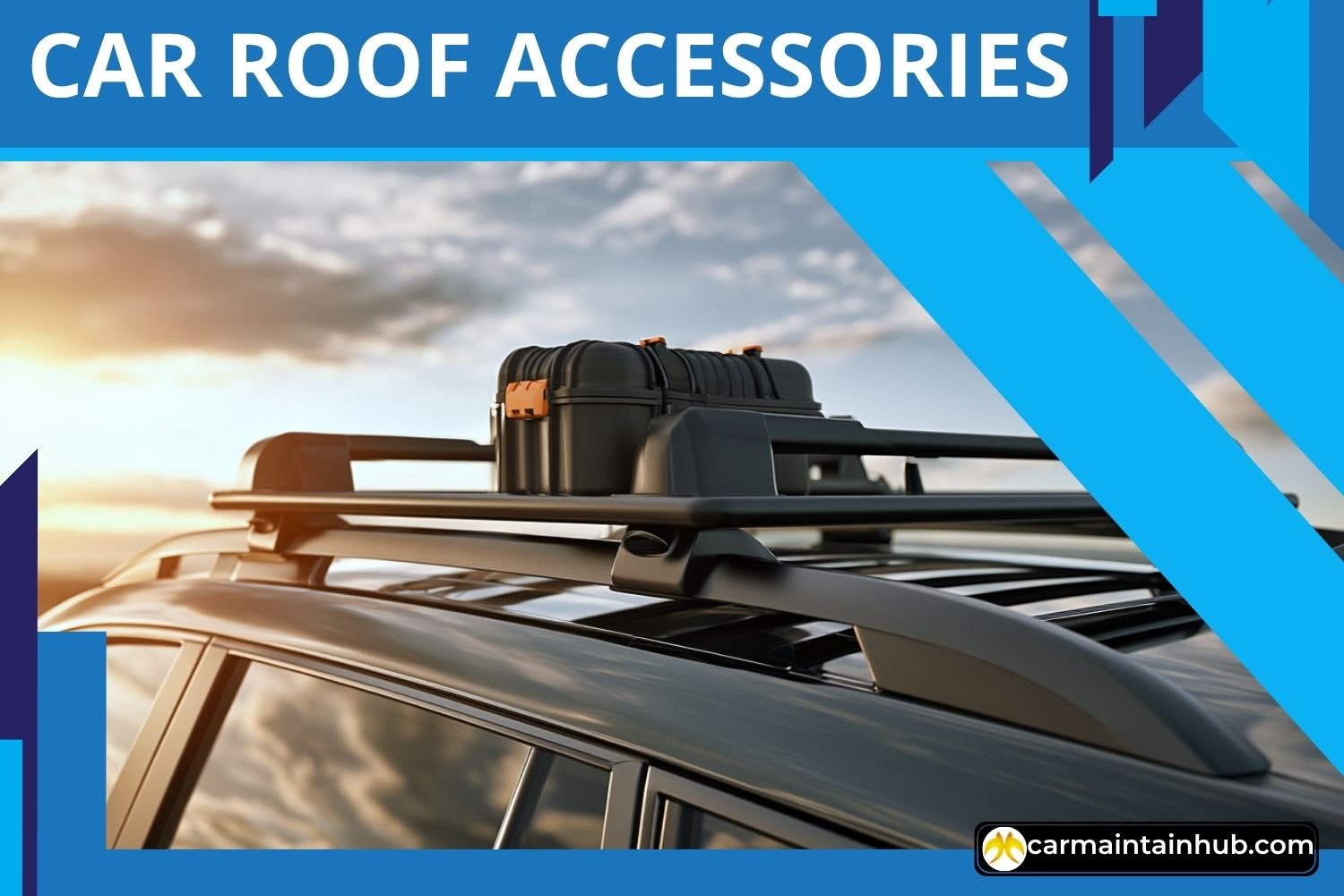
Introduction
Selecting the right car roof accessories is essential for optimizing cargo capacity, outdoor travel convenience, and passenger safety across the United States. Navigating dynamic weight limits, realistic travel upgrade budgets, and proper roof compatibility ensures you protect your vehicle from costly structural oversights and unexpected handling risks during daily transit and road trips. Whether you are mounting crossbars, a cargo box, or a bike carrier, understanding professional accessory workflows, universal versus custom-fit options, and price structures allows you to select reliable gear that expands your storage capacity while preserving your vehicle’s exterior.
Key Factors When Selecting This Accessory
Verify your vehicle’s year, make, model, roof type, and maximum dynamic roof load before purchasing when evaluating car roof accessories:
1. Verify Vehicle Roof Specifications: Verify your vehicle’s year, make, model, roof type, and maximum dynamic roof load before purchasing.
2. Match Roof Rail Systems: Select accessories that fit factory rails, flush rails, raised rails, or bare roofs as required.
3. Prioritize Material Durability: Choose aircraft-grade aluminum or powder-coated steel for crossbars and racks to ensure maximum strength and corrosion resistance.
4. Evaluate Aerodynamic Performance: Opt for aerodynamic cargo boxes and low-profile crossbars to minimize wind noise and maintain fuel economy.
5. Safety Assessment & Threshold: Classification: Monitor, Service Soon, Urgent Hardware Check, or Immediate Accessory Replacement. While normal dust accumulation can be monitored, worn straps demand servicing soon, loose crossbar clamps require urgent checks, and cracked cargo boxes demand immediate accessory replacement.
Nitrile Gloves & Eye Protection: Protecting hands and eyes from cleaning solutions, isopropyl alcohol wipes, and sharp edges during accessory installations.
1. What primary luggage capacity benefits do crossbars provide as a foundation for roof-mounted gear?
Crossbars Benefit: Providing a sturdy, secure foundation for mounting roof cargo boxes, bike racks, and baskets.
2. Where do vehicle owners utilize enclosed roof cargo boxes to improve luggage protection?
Roof Cargo Box Benefit: Secure enclosed storage that protects luggage from heavy rain, snow, and road debris during family trips.
3. What durability standards characterize premium accessories designed to withstand extreme outdoor conditions?
Durable Construction: Resistance to extreme weather, moisture, and UV degradation provided by aircraft-grade aluminum, powder-coated steel, and UV-resistant ABS plastics.
4. Why are loose crossbar mounting clamps classified under urgent maintenance monitoring requirements?
Urgent Maintenance Requirement: Unstable roof rack hardware can shift or detach at highway speeds, demanding prompt re-tightening to maintain safety.
The table below outlines accessories, typical prices, and primary uses when evaluating car roof accessories metrics:
| Accessory | Typical Price (USD) | Primary Use |
| Crossbars | $120–$400 | Foundation for roof-mounted gear |
| Roof Cargo Box | $300–$900 | Secure enclosed storage |
| Roof Basket | $150–$500 | Bulky outdoor cargo |
| Roof Bag | $60–$250 | Flexible weather-resistant storage |
| Bike Carrier | $120–$350 | Transport bicycles |
| Kayak/Ski Carrier | $100–$350 | Carry water or snow sports equipment |
Reviewing these selection parameters helps buyers choose products that improve comfort and vehicle protection when evaluating car roof accessories. Selecting quality roof accessories improves cargo flexibility while helping protect passengers, equipment, and your vehicle during everyday driving and long-distance travel. Spotting these classification markers early tells you precisely what elements of assessing car roof accessories metrics to anticipate. Identifying the exact nature of your vehicle’s roof layout ensures your subsequent accessory choices target the correct performance tier before purchase commitments are finalized. Selecting proper knowledge regarding car roof accessories options prevents errors during routine marketplace comparisons. Executing these routine checks ensures reliable, clean vehicle protection on demand.
Simple Step-by-Step Installation Rules
Reading instructions, verifying dynamic load ratings, installing crossbars at recommended spacing, and rechecking mounting points are essential steps when managing car roof accessories installation:
Step 1: Read Manufacturer Instructions: Read the accessory manufacturer’s instructions and your vehicle owner’s manual before installation.
Step 2: Verify Dynamic Load Rating: Verify the roof’s dynamic load rating to ensure it supports the combined weight of racks and cargo.
Step 3: Install Crossbars Correctly: Install crossbars at the recommended spacing and tighten all hardware to the specified torque.
Step 4: Secure Cargo Safely: Secure cargo with quality tie-down straps, ensuring loads cannot shift during transit.
Step 5: Perform Post-Drive Checks: After driving a short distance, recheck every mounting point to ensure absolute stability.
Why Material Selection Matters to Long-Term Ownership Longevity. Utilizing aircraft-grade aluminum, powder-coated steel, reinforced polymers, and UV-resistant ABS plastics ensures proper performance and reliability across diverse vehicle systems. Similarly, relying on manufacturer installation guidelines safeguards internal roof rails, door frames, and mounting tracks against improper mounting and premature failure. Selecting durable maintenance supplies and avoiding common installation errors provides long-term financial predictability, particularly for owners planning to keep their vehicle well past its warranty coverage period.
Required Tools & Accessory Installation Equipment
Proper vehicle detailing, tool organization, and professional hardware inspection for service tracking require basic physical and digital tools. Essential equipment for examining and installing items when evaluating car roof accessories optimization includes metric socket sets, torque wrenches, clean microfiber towels, plastic trim removal wedges, work gloves, and heavy-duty rated hydraulic jack stands. Having proper tools impacts evaluations when attempting home accessory installations versus visiting a professional certified service center. Knowing your tool limitations affects expenses related to checking accessory components yourself versus paying professional shop labor rates.
Universal Versus Custom Fitment Options List
Comparing universal versus custom fitment options helps prospective buyers identify which products match their personal ownership goals and budget requirements, ensuring long-term satisfaction when managing car roof accessories choices:
• Universal Roof Accessories (Flexible compatibility): Some roof bags and tie-down straps fit many vehicles, offering broad cross-platform usage.
• Custom-Fit Components (Precision vehicle match): Crossbars, roof racks, cargo boxes, and bike carriers often require vehicle-specific mounting systems for secure installation.
• Aircraft-Grade Aluminum Crossbars (Lightweight strength): Lightweight and corrosion-resistant metal bars engineered to support heavy roof loads efficiently.
The table below outlines budgets, recommended accessories, and best uses when evaluating car roof accessory options:
| Budget | Recommended Accessories | Best For |
| Under $100 | Roof bag, tie-down straps | Occasional travel |
| $100–$500 | Crossbars, roof basket, bike carrier | Regular family trips |
| Over $500 | Premium cargo box, complete rack system | Frequent outdoor adventures |
Sidestepping these classic service and repair buying pitfalls prevents extended frustration and controls expenses associated with managing vehicle maintenance over time. Paying close attention to detail ensures your purchasing efforts improve compatibility understanding regarding car roof accessories selections. Avoiding these errors ensures maximum safety:
Mistake 1: Purchasing roof racks or cargo boxes without verifying vehicle roof type, rails, and manufacturer load limits.
Mistake 2: Exceeding the vehicle manufacturer’s dynamic roof load limit, risking structural roof damage.
Mistake 3: Failing to recheck crossbar mounting hardware and tie-down straps after driving an initial short distance.
Mistake 4: Working underneath a vehicle supported solely by a hydraulic floor jack without using rated heavy-duty jack stands during DIY checks.
Attempting to ignore scheduled maintenance milestones places you at severe risk of unexpected repair budget shortfalls. Always double-check service records before estimating your budget for car roof accessories care.
Simple Step-by-Step Installation Safety Rules
Following methodical service practices ensures optimal vehicle reliability while shielding electrical circuits and powertrain components when managing car roof accessories upkeep. Regional weather extremes across the United States pose unique preservation challenges, as northern Snowbelt states expose vehicles to road salt that tests metallic corrosion resistance, while southern states test items with intense UV radiation. When performing DIY checks or interacting with service bays, always ensure your vehicle is parked on level ground with the parking brake engaged. Furthermore, washing roof accessories with mild soap and water removes dirt, road salt, and tree sap to maintain long-term cleanliness.
The table below outlines maintenance rules and safety practices when evaluating car roof accessories compliance:
| Safety & Maintenance Rule | Environmental Control | Primary Purpose |
| Regular Cleaning | Mild soap and water wash | Removing dirt, road salt, and tree sap from roof accessories |
| Component Audit | Periodic bolt check | Inspecting bolts, clamps, locks, and straps regularly for wear or corrosion |
| Off-Season Storage | Indoor dry location | Storing removable accessories indoors when not in use to protect against weather |
Executing each phase of this workflow streamlines tasks tied to understanding service standards by ensuring proper alignment and financial security. Following these specific instructions ensures your approach remains grounded in professional automotive maintenance standards.
Expected Price Ranges and Value Metrics Setup
Lower-cost accessories work well for occasional travel, while premium aluminum systems, aerodynamic cargo boxes, and stainless-steel hardware generally last longer, reduce wind noise, and provide better weather protection when evaluating car roof accessories options. Managing a vehicle when evaluating car roof accessories successfully comes down to anticipation rather than reaction.
Analyzing these price points and value metrics helps you match your budget with the most suitable roof accessories. Under $100 options include roof bags and tie-down straps for occasional travel. Mid-range setups spanning $100 to $500 cover crossbars, roof baskets, and bike carriers for regular family trips. Premium systems exceeding $500 provide premium cargo boxes and complete rack systems for frequent outdoor adventures. Consistent preventative care safeguards your investment against premature wear during everyday commuting and severe weather exposure.
Common Misunderstandings Addressed
A frequent misconception is that asking about car roof accessories means all vehicles support roof accessories; in reality, no, and you must always verify your vehicle’s roof type, roof rails, and manufacturer load rating before purchasing. Another myth is that car roofs can carry unlimited weight, whereas the maximum load varies by vehicle, and you should never exceed the manufacturer’s dynamic roof load limit. Buyers often assume all roof cargo boxes are completely porous to water, whereas most quality cargo boxes are weather-resistant and help protect luggage from rain, snow, and road debris.
Frequently Asked Questions
1. Do all vehicles support car roof accessories?
No, not all vehicles support every type of roof accessory. Check your vehicle’s roof type, roof rails, mounting compatibility, and manufacturer’s load rating before purchasing.
2. How much weight can a car roof carry?
The maximum roof load varies by vehicle model. Always follow the manufacturer’s specified load limits, including the weight of the roof rack and any cargo.
3. Are roof cargo boxes waterproof?
Most quality roof cargo boxes are weather-resistant and help protect luggage from rain, snow, and road debris. However, they may not be completely waterproof in all weather conditions.
4. Will car roof accessories affect fuel economy?
Yes, roof-mounted accessories can increase wind resistance and aerodynamic drag, potentially reducing fuel efficiency, especially at higher speeds.
5. What are the advantages of aircraft-grade aluminum crossbars?
Aircraft-grade aluminum crossbars are lightweight, corrosion-resistant, and durable. When properly designed and installed, they provide reliable support for compatible rooftop equipment.
6. How do bike carriers secure bicycles to vehicle roofs?
Roof-mounted bike carriers use wheel trays, frame clamps, or fork mounts to hold bicycles securely during travel. Always follow the manufacturer’s installation instructions and check that the bicycle is firmly secured before driving.
7. Why is it important to inspect roof accessory locks regularly?
Regularly checking locks helps identify dirt buildup, moisture damage, corrosion, or mechanical problems. Proper maintenance helps keep your cargo and equipment secure during travel.
8. When should you pay for a new car roof accessory purchase?
Before purchasing car roof accessories, review the product specifications, compatibility, installation costs, and return policy. Confirm the payment terms with the seller and inspect the product for damage or missing components upon delivery.
Final Takeaway
To maximize the value of car roof accessories, always prioritize proper load ratings, aerodynamic design, and secure installation specific to your vehicle’s make and model. Whether you are investing in a rugged cargo box for family road trips, heavy-duty crossbars for outdoor gear, or specialized mounts for kayaks and bikes, matching the equipment to your vehicle’s exact weight capacity ensures both safety on the highway and long-term protection for your vehicle’s roof. Taking the time to double-check your setup before every journey will not only prevent costly damage and reduce wind noise but also guarantee a smooth, hassle-free travel experience.