
Introduction
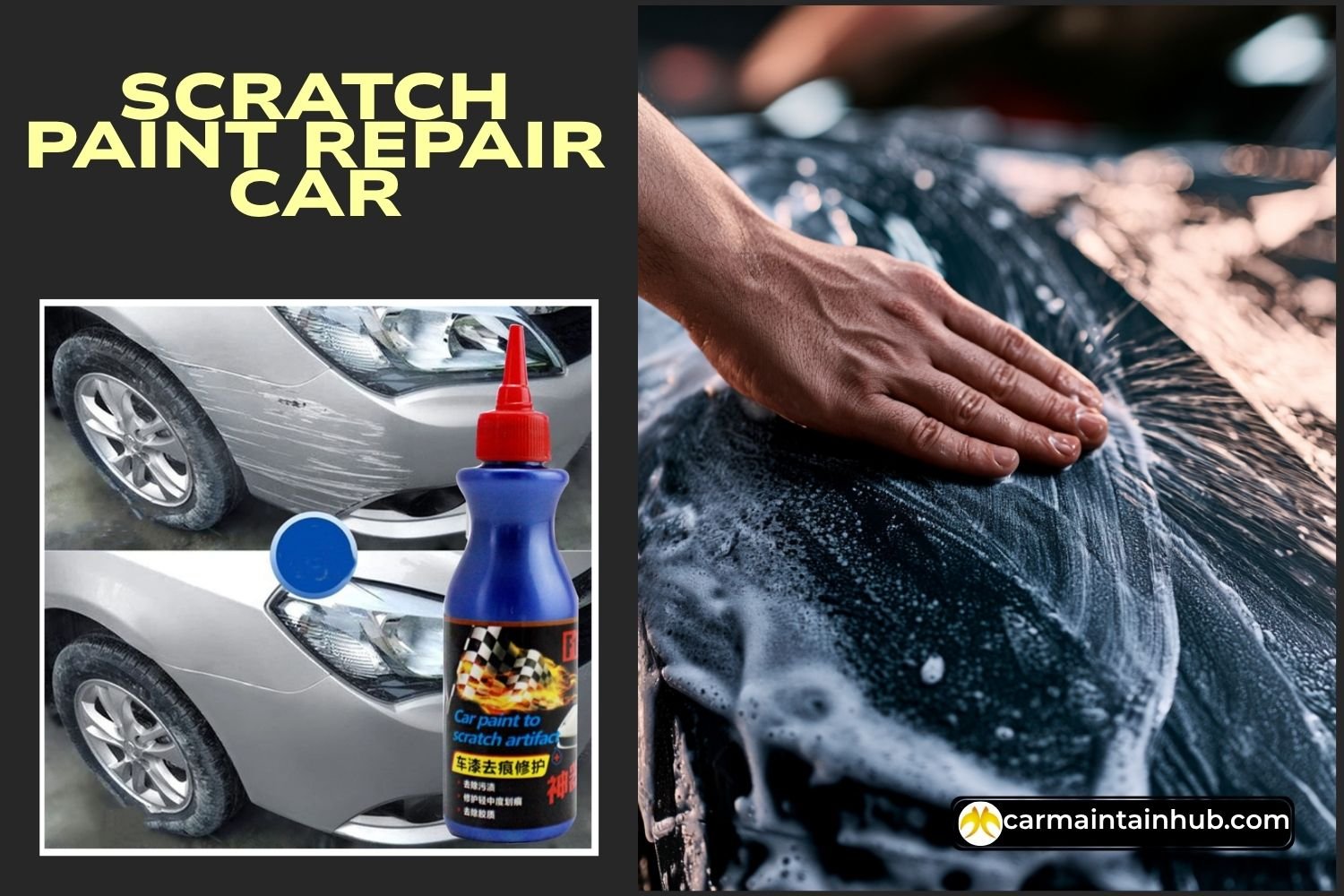
Performing a timely scratch paint repair car project is essential when discovering an unsightly paint blemish that threatens your vehicle’s appearance and invites costly rust formation across the United States. Navigating automotive exterior restoration choices, such as comparing professional body shop complete panel resprays against DIY touch-up paint pens and clear coat restoration, ensures you protect your household finances from expensive unverified shop bills during ownership. Whether you are reviewing rubbing compound application steps, analyzing wet sandpaper requirements, or following structured dual-action polisher and microfiber pad roadmaps, understanding expert paint servicing workflows allows you to execute an informed financial strategy that keeps your automobile looking pristine past 200,000 miles while preserving its market resale value.
Evaluating Paint Scratch Depth: The Fingernail Test
Before buying any materials, run your fingernail gently across the scratch to check its severity against the paint layers:
1. Clear Coat Scuff (Surface Level): If your fingernail does not catch, the damage is restricted to the transparent clear coat layer. Easily buffed out with rubbing compound.
2. Base Coat Scratch (Medium Depth): If your fingernail catches slightly, the scratch has penetrated through the color base coat. Requires exact-match touch-up paint filling.
3. Deep / Bare Metal Scratch: If your fingernail catches deeply and you see shiny silver metal or dark primer at the base, immediate action is required to prevent oxidation and rust.
Safety Assessment Risk Level: Car Paint Damage and Scratches Monitor to Urgent Repair
Monitor to Urgent Repair. While surface clear coat scuffs are strictly cosmetic and do not compromise structural vehicle safety, leaving deep bare-metal scratches un-repaired invites aggressive rust corrosion across U.S. roadways. Evaluating how quickly you need to address paint damage depends on severity levels: light swirl marks present low risk and are ideal for monitoring, whereas medium base coat scratches are ideal for service soon, but deep multi-panel gouges or active rust formation that must be addressed immediately by professionals demand service immediately.
Financial Planning and Monthly Budgeting for Body and Paint Maintenance
Effective household budgeting in the United States requires accounting for everyday vehicle ownership expenses alongside unexpected cosmetic paint damage and professional touch-up repairs. On average, maintaining a dedicated automotive care fund requires setting aside $15 to $35 per month, translating to roughly $180 to $420 annually. Because parking lot door bumps, stray shopping carts, and highway debris happen unpredictably rather than arriving in equal monthly installments, establishing a dedicated car care savings fund is essential to preventing financial strain and avoiding high-interest credit card debt.
1. Recommended Set-Aside Benchmarks Across Repair Tiers
Allocating funds for unexpected paint repairs is not a one-size-fits-all strategy. DIY touch-up paint kits require modest monthly set-aside amounts, whereas professional body shop panel refinishing demands higher monthly reserves to cover material and labor costs.
DIY Scratch Kits: Compound and touch-up paint pens require $2 to $5 per month.
Professional Spot Repairs: Independent touch-up technicians require $10 to $25 per month.
Full Panel Refinishing: Comprehensive collision center resprays require $30 to $80+ per month.
2. Master Amortized Service Target Matrix
Review typical cost ranges and monthly set-aside targets for scratch paint repair car services and professional shop tiers:
| Scratch Paint Repair Service Method | Average U.S. Cost Range | Monthly Set-Aside Target |
| DIY Scratch Removal & Touch-Up Kit | $25 – $65 | $1 – $3 / month |
| Professional Body Shop Panel Refinishing | $300 – $900+ | $12 – $36 / month |
| Total Recommended Monthly Reserve | — | $15 – $35 / month |
Required Tools and Materials for Paint Repair
Fixing car paint scratches at home requires affordable automotive detailing items and specialized compounds:
| Tool or Material | Primary Purpose | Estimated U.S. Cost |
| Rubbing Compound & Polishing Glaze | Leveling clear coat edges around the scratch and restoring gloss | $15 – $30 |
| Microfiber Applicator Pads & Towels | Applying compounds and buffing paint safely without swirling | $10 – $20 |
| OEM Factory Match Touch-Up Paint Pen | Filling in deep scratches that expose primer or bare metal | $20 – $35 |
| Fine Wet Sandpaper Assortment (2000 to 3000 grit) | Smoothing out touch-up paint or stubborn clear coat blemishes | $10 – $18 |
Step-by-Step Guide: How to Perform Scratch Paint Repair
Even minor paint touch-up jobs require proper workspace conditions to ensure a lasting finish:
Temperature & Shade: Work in a shaded area out of direct sunlight. Hot body panels cause polishing compounds and touch-up paints to dry too fast.
Surface Cleanliness: Thoroughly wash and dry the vehicle before starting to ensure no loose dirt particles get trapped under your buffing pads, causing new scratches.
Follow these structured steps depending on whether you are buffing a surface scuff or applying touch-up paint:
Step 1: Cleaning & Degreasing: Wash the scratched area with automotive soap and dry it completely. Wipe the scratch with isopropyl alcohol to remove wax, grease, and road grime.
Step 2: Compounding & Polishing (Clear Coat Scratches): Apply a small amount of rubbing compound to a microfiber pad and rub firmly across the scratch in a back-and-forth motion (avoid circular swirls). Wipe away residue to check progress.
Step 3: Applying Touch-Up Paint (Deep Scratches): If the scratch is deep, apply a micro-dot of factory-matched touch-up paint using a fine artist brush or toothpick. Let it dry for 20 minutes.
Step 4: Wet Sanding Leveling: Once the touch-up paint hardens slightly above the surrounding clear coat, gently level it using 2500-grit wet sandpaper wrapped around a rubber block.
Step 5: Final Buffing and Wax Sealing: Finish by applying a fine polishing compound and automotive wax to restore a deep, seamless factory shine over the repaired zone.
Common Mistakes to Avoid
| Common Mistake | Consequence | How to Avoid It |
| Using Household Scourers | Leaves micro-marring across the paint. | Use dedicated automotive microfiber towels and pads. |
| Over-applying Touch-Up Paint | Creates an unsightly raised ridge. | Apply multiple thin micro-layers instead of one thick coat. |
| Working in Direct Sunlight | Causes polishing compounds and touch-up paint to bake and dry incorrectly. | Always perform paint work in a shaded garage or carport. |
Regional U.S. Climate Considerations
Environmental factors dictate how quickly exposed metal requires protection:
Winter Road Salt Exposure: Winter road salts in northern states accelerate corrosion inside deep scratches, turning minor paint damage into active rust spots overnight.
Southern UV Exposure: High UV sunlight in southern states can fade touch-up paint quickly if not sealed properly with high-grade automotive wax or ceramic coating.
Preventative Maintenance Schedule
Protect your vehicle’s exterior finish against premature wear by following this routine plan:
| Maintenance Task | Recommended Interval | Purpose |
| Inspect Body Panels for New Scratches | Monthly | Early detection of paint scuffs before oxidation occurs. |
| Apply Paint Sealant or Automotive Wax | Every 3 Months | Protects clear coat layers against UV fading and environmental pollutants. |
| Touch Up Stone Chips and Scratches | As Needed | Seals bare metal against moisture and road salt. |
Frequently Asked Questions (FAQs)
1. Can all car paint scratches be fixed at home?
Surface clear coat scuffs can easily be buffed out at home. However, long, deep scratches spanning multiple panels or dents with creased metal require professional body shop attention.
2. Does toothpaste actually remove car paint scratches?
Toothpaste contains mild abrasives that can temporarily mask very light clear coat scuffs, but it is not a permanent paint repair solution.
3. How do I find my car’s exact paint color code?
Your vehicle’s paint color code is typically printed on the manufacturer placard located inside the driver’s side door jamb or under the hood.
4. How long does touch-up paint take to cure?
Touch-up paint usually dries to the touch in 20 to 30 minutes, but it takes several days to completely cure and harden before you should wax over it.
5. Will insurance cover car paint scratch repair?
Comprehensive insurance usually covers vandalism or hit-and-run scratches, but filing a claim is rarely worth it if the repair cost is lower than your deductible.
6. Can I use a power polisher on car paint scratches?
Yes, a dual-action (DA) polisher speeds up compounding and polishing, but beginners should use low speeds to avoid burning through the thin clear coat layer.
7. What happens if I leave a deep paint scratch unfixed?
If a scratch exposes bare metal, moisture and road salt will cause rust to form underneath the surrounding paint, causing it to bubble and peel outward.
8. How much does a professional body shop charge to fix a paint scratch?
Depending on panel size and depth, professional scratch repair and spot blending at a U.S. body shop typically ranges from $200 to $600 per panel.
Final Takeaway
Performing a scratch paint repair car project early is a simple, highly rewarding task that protects your vehicle’s exterior aesthetics and long-term market value. Whether you buff out a surface scuff with compound or carefully apply factory-matched touch-up paint to a deeper scratch, addressing paint damage right away keeps your vehicle looking pristine and prevents rust formation.






