
Introduction
Implementing proactive winter car maintenance is essential for preparing your vehicle for freezing temperatures, snow, and ice by testing battery strength, inspecting antifreeze coolant levels, and switching to winter-rated tires across the United States. Navigating sub-freezing weather strains, such as thickened engine oil, reduced cranking power, and lower tire pressure, helps ensure you protect your household finances from expensive cold-weather breakdowns during daily transit. Whether you are stocking an emergency roadside kit, reviewing pre-season service roadmaps, or evaluating professional multi-point inspections, understanding seasonal vehicle care workflows allows you to execute an informed preservation strategy that keeps your automobile operating safely past 200,000 miles while preserving its market resale value.
Top 4 Essential Winter Car Maintenance Steps
A comprehensive guide to cold-weather vehicle upkeep across the United States generally highlights four primary maintenance priorities:
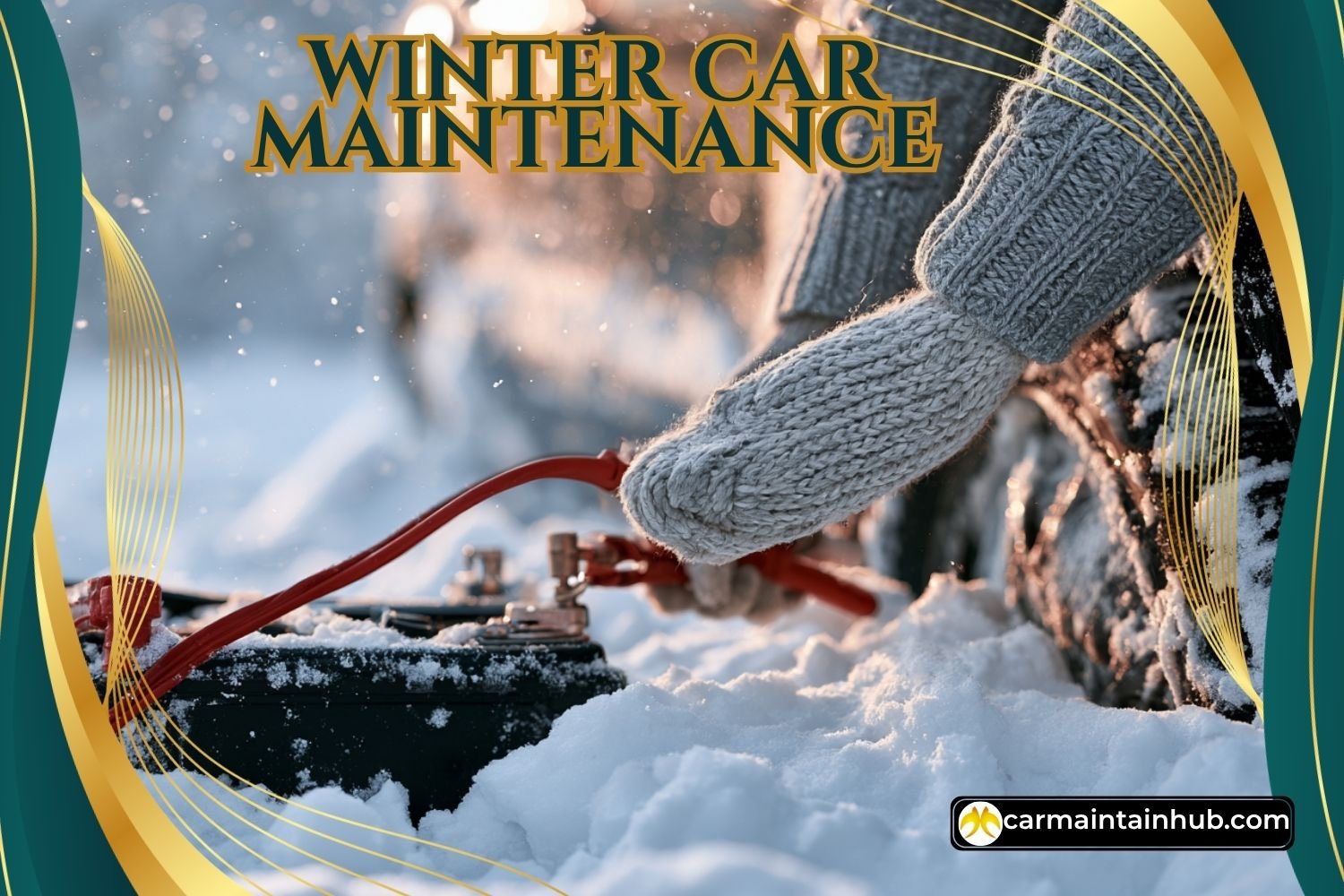
1. Car Battery Testing & Terminal Cleaning: Cold weather reduces battery capacity by up to 50%; test voltage and clean corrosion from terminals before freezing temperatures arrive.
2. Antifreeze Coolant & Fluid Check: Verify 50/50 coolant freeze protection levels and top off winter-rated windshield washer fluid.
3. Tire Tread & Pressure Inspection: Check tire tread depth and adjust air pressure, as dropping ambient temperatures cause tire pressure to decrease rapidly.
4. Wiper Blades & Lighting Check: Install heavy-duty winter wiper blades and ensure all headlights and fog lamps function properly for low-visibility snowstorms.
Master Winter Maintenance Comparison Matrix
Reference this structured matrix to review critical winter maintenance tasks, their timing, and primary safety benefits.
| Winter Maintenance Task | Timing & Frequency | Primary Cold-Weather Benefit |
| Battery Voltage & Load Test | Before first freeze (October–November). | Prevents engine no-start conditions on freezing mornings. |
| Coolant & Antifreeze Check | Annually before winter. | Prevents engine block freezing and internal overheating. |
| Tire Pressure & Tread Inspection | Monthly during winter months. | Ensures traction on snow and icy roadways. |
| Winter Wiper Blade Replacement | Before winter storms arrive. | Clears heavy snow and slush from windshield effectively. |
Upkeep Strategy & Cold-Weather Outcome Matrix
Use this matrix to analyze how proactive winter prep contrasts financially and operationally with reactive emergency repairs.
| Maintenance Approach | Operational & Financial Profile | Cold-Weather Reliability Impact |
| Proactive Winter Preparation | Inexpensive pre-season inspection ($50 – $150 total). | Ensures dependable vehicle startup and safe travel through snowstorms. |
| Reactive Emergency Repairs | High expense ($200 – $800+ for towing and emergency parts). | Results in freezing roadside stranding and missed work during severe weather. |
| Total Cold-Weather Neglect | Zero upfront preparation followed by sudden mechanical failure. | Leads to frozen engine blocks, dead batteries, and hazardous skidding accidents. |
Financial Planning and Monthly Budgeting for Winter Car Care
Effective household budgeting in the United States requires accounting for everyday vehicle ownership expenses alongside seasonal cold-weather preparations. On average, preparing a vehicle for winter conditions requires setting aside $15 to $30 per month throughout the year, translating to roughly $180 to $360 annually when factoring in winter wiper blades, emergency kit supplies, and pre-season battery or coolant inspections. Because winter preparation tasks occur seasonally rather than in equal monthly installments, establishing a dedicated monthly car care savings fund is essential to preventing financial strain and avoiding high-interest credit card debt.
1. Recommended Set-Aside Benchmarks Across Vehicle Classes
Allocating funds for winter automotive upkeep is not a one-size-fits-all strategy. Compact economy cars require modest monthly set-aside amounts, whereas larger four-wheel-drive SUVs and premium vehicles demand higher monthly reserves to cover specialized winter tires and complex fluid systems.
Compact Sedans & Hatchbacks: Standard tire sizes, modest fluid capacities, and standard batteries require $10 to $20 per month.
Midsize SUVs & Crossovers: Heavier tread requirements, larger winter tires, and robust cooling loops require $20 to $35 per month.
Full-Size Trucks & Luxury All-Wheel-Drive Vehicles: Specialized heavy-duty batteries, larger tires, and complex drivetrain fluids require $35 to $60+ per month.
2. Master Amortized Service Target Matrix
Review typical cost ranges and monthly set-aside targets for core maintenance components linked to winter vehicle readiness:
| Winter Maintenance Component | Typical Cost Range | Monthly Set-Aside Target |
| Pre-Season Battery Load Test & Clean | $0 – $40 per visit | $3 – $7 / month |
| Antifreeze Coolant Flush & Fill | $100 – $180 per service | $8 – $15 / month |
| Winter Emergency Kit & Supplies | $30 – $75 total | $3 – $6 / month |
| Heavy-Duty Winter Wiper Blades | $30 – $60 total | $3 – $5 / month |
| Total Recommended Monthly Reserve | — | $17 – $33 / month |
DIY Garage Winter Prep vs. Professional Shop Service
Executing winter car maintenance involves balancing simple home garage DIY checks with professional shop service support:
DIY Home Winter Prep: Checking tire pressure, stocking an emergency kit, topping off washer fluid, and testing wiper blades at home.
Professional Shop Service: Comprehensive battery load testing, coolant freeze-point verification, and brake system inspections requiring certified mechanics.
WINTER ADVISORY: ALWAYS keep your vehicle’s fuel tank at least half full during winter months to prevent fuel line condensation and freezing.
Service Responsibility Comparison Matrix
Evaluate home DIY winter preparation tasks against professional shop service responsibilities.
| Evaluation Factor | DIY Home Winter Prep | Professional Shop Service |
| Time & Effort | Takes minutes in home driveway with basic items | Requires shop appointment and service bay time |
| Safety & Accuracy | Visual checks of fluid levels, tires, and wiper blades | Electronic battery load testing and coolant freeze-point refractometer analysis |
| Service Scope | Washer fluid, emergency kit assembly, wiper blade swaps | Battery replacement, antifreeze flushing, and brake system checks |
Estimated Winter Service Cost Benchmarks
Review typical out-of-pocket pricing benchmarks for standard winter maintenance packages in the U.S.
| Winter Service Category | Estimated Cost ($ USD) | Pricing Scope & Context |
| Battery Load Test & Inspection | $0 – $30 | Often performed free by auto parts stores to check cold cranking amps. |
| Antifreeze Coolant Flush & Fill | $100 – $180 | Flushes old coolant and replaces with fresh 50/50 winter freeze protection. |
| Winter Emergency Kit Assembly | $30 – $75 | Includes jumper cables, flashlight, blanket, ice scraper, and first-aid supplies. |
Frequently Asked Questions
1. What are the essential steps for winter car maintenance in the United States?
Essential winter car maintenance steps include testing your car battery, checking antifreeze coolant, inspecting tire tread and pressure, replacing worn wiper blades, and ensuring your heating and defrosting systems work properly.
2. How do freezing temperatures affect car battery performance and starting ability?
Freezing temperatures slow the chemical reactions inside a car battery and can reduce its ability to deliver power. Cold weather also thickens engine oil, making it harder to start the engine.
3. When should motorists switch to winter tires or check tire pressure in cold weather?
Motorists should consider installing winter tires when temperatures consistently fall below 45°F (7°C). Check tire pressure at least monthly during winter because cold temperatures can reduce pressure by approximately 1 PSI for every 10°F drop.
4. What items should be included in an emergency winter car kit for U.S. drivers?
An emergency winter car kit should include jumper cables, a flashlight, warm blankets, an ice scraper, a portable phone charger, first-aid supplies, drinking water, and non-perishable snacks. These supplies are essential for winter car maintenance and emergency preparedness.
5. Why is it important to keep your gas tank at least half full during winter?
Keeping your gas tank at least half full helps provide enough fuel if you become stranded in cold weather. It can also reduce the risk of fuel-related problems in some conditions and allows you to run the engine briefly for warmth when it is safe to do so.
6. How often should antifreeze coolant be checked or replaced before winter?
Check coolant condition and antifreeze protection before winter each year, and follow your vehicle manufacturer’s recommended replacement schedule. Proper winter car maintenance includes checking coolant levels, concentration, and signs of leaks.
7. Can regular wiper blades handle heavy winter snowstorms effectively?
Standard wiper blades may struggle with heavy snow and ice. Winter-rated wiper blades are designed for harsh conditions, but drivers should choose compatible blades and keep the windshield washer fluid rated for freezing temperatures.
8. Where can U.S. motorists get their car battery tested before winter?
Many major auto parts retailers and automotive service centers in the United States offer free battery testing, although availability varies by location. Testing your battery before winter helps identify potential starting problems and supports reliable winter car maintenance.
Final Takeaway
Mastering winter car maintenance before the freezing weather sets in is essential for ensuring safety and reliability on the road. By incorporating proactive checks such as testing your battery, inspecting tire tread depths, and ensuring your fluids are properly winterized, you can prevent costly breakdowns during the coldest months of the year. Ultimately, staying ahead with consistent winter car maintenance protects your vehicle, enhances your driving confidence, and keeps you safe no matter how harsh the weather gets.





